
By Dr. Keira Cruickshank, Ph.D.
While we have been lucky with a warm fall season in parts of the Midwest, changing seasons and colder weather are inevitable. Fall is a great time to consider the preparedness of your calf facilities and program to ensure calves can effectively face the potential challenges that winter brings. Cold weather and damp conditions result in increased stress and energy requirements, which can lead to poor growth and increased illness during the winter. It is essential to make sure calves are getting off to the right start, as illness in the pre-weaning period can have long-term impacts on lactation performance.
A review of five different research studies found heifers that developed respiratory illness in the pre-weaning period produced 267 pounds less milk during their first lactation (Buczinksi et al., 2021), demonstrating the importance of minimizing health challenges in early life. There are a few strategies and considerations that can be utilized to help combat these seasonal challenges and ensure young calves get off to the right start during the winter months.
Calves have increased energy requirements during the winter just to maintain their body temperature when outside temperatures get too low. Young calves are more susceptible to cold stress due to small body size and limited fat reserves, which contribute to a decreased ability to maintain body temperature compared to older animals.
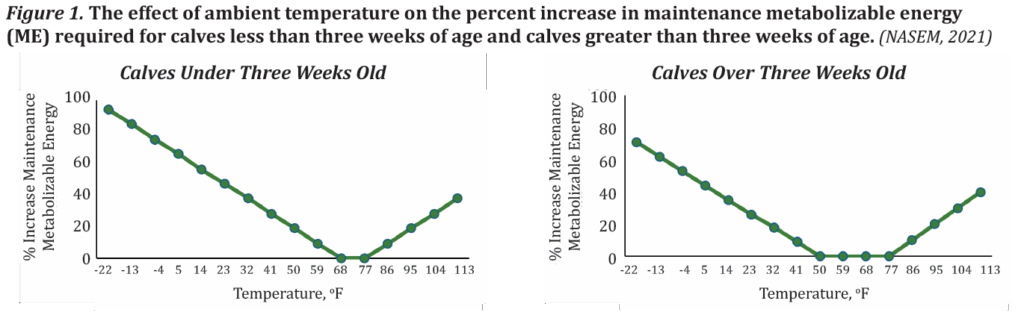
The effects of temperature can significantly increase energy demand (Figure 1). For calves less than three weeks of age, the thermoneutral zone is 68-77°F, meaning that, in this range, calves do not use any energy to maintain their body temperature. Above and below this temperature, calves utilize additional energy to maintain body temperature. Therefore, they will have less energy available to put towards growth. For example, at 14°F, maintenance energy increases by 56%, or approximately an extra 1,048 kcal metabolizable energy (ME) per day. For calves older than three weeks, their thermoneutral zone is larger and they do not expend the same amount of energy to maintain body temperature outside of this range.
Here are some strategies that can be utilized to help support growth rates during cold weather:
Environmental stressors like wet and cold conditions can also leave calves more susceptible to immune challenge. A nationwide survey on calf-rearing practices found that the months with the highest number of scours events were December and February, while respiratory illness was highest in January (followed by March), suggesting that both gut and respiratory challenges may increase during winter (Urie et al., 2018). Consider reviewing vaccination protocols with your veterinarian heading into winter to ensure they are effective and up to date. Maintain proper sanitation of milk feeding equipment. If you have an indoor calf facility, make sure you do not sacrifice adequate ventilation for warmth, as this will increase the risk of pneumonia.
Abomasal bloat in milk-fed calves is another health challenge with increased incidence in the winter. Abomasal bloat is a result of feeding practices that decrease the time taken for the abomasum to empty, which allows bacteria to grow (Burgstaller et al., 2017). Some of these factors include large milk volumes fed at once, high solids content, or improper milk temperature.
During cold weather, even milk that is mixed at the right temperature may be cold by the time the last calves are fed, which may increase the risk of abomasal bloat. Consider checking milk temperature throughout feeding to ensure calves are receiving milk at the right temperature to decrease digestive upset. Staying consistent with feeding intervals, the amount of solids, and milk temperature are important year-round, but especially in the winter. If feeding more milk in the winter, make changes gradually to reduce the risk of bloat.
Finally, consider nutritional supplements that may provide additional support for immune function and gut health for calves during this challenging season. Agri-King’s Tri-Lution® Water Soluble provides direct-fed microbials, among other bioactive ingredients designed to support calf health, especially during times of stress and pathogenic challenge. Visit with your local Agri-King nutrition consultant to further discuss strategies to best support your calves this winter.