
By Dr. James C. Coomer, Ph.D., P.A.S.
There are a lot of alternative feeds available for use in feeding livestock. Additionally, there will be new alternative feeds produced in the future as most, if not all, alternative feeds are by-products of other industries (human food, renewable fuel, pharmaceutical, or other industries). As new products are produced in those industries, then new alternative feeds will come to the marketplace.
All feedstuffs used in livestock diets are there for the purpose of supplying nutrients to the animal. The primary nutrients supplied by major feedstuffs are energy, protein, and fiber. Within each of these primary nutrient categories are subcategories of each nutrient, which can help further the evaluation of an alternative feedstuff. Studying a feedstuff based on the nutrient or subnutrient it supplies compared to the needs of the diet it will be used in should be the first step in the evaluation. Once a feedstuff is determined to meet a nutrient need in the diet, then an economic evaluation can be conducted.
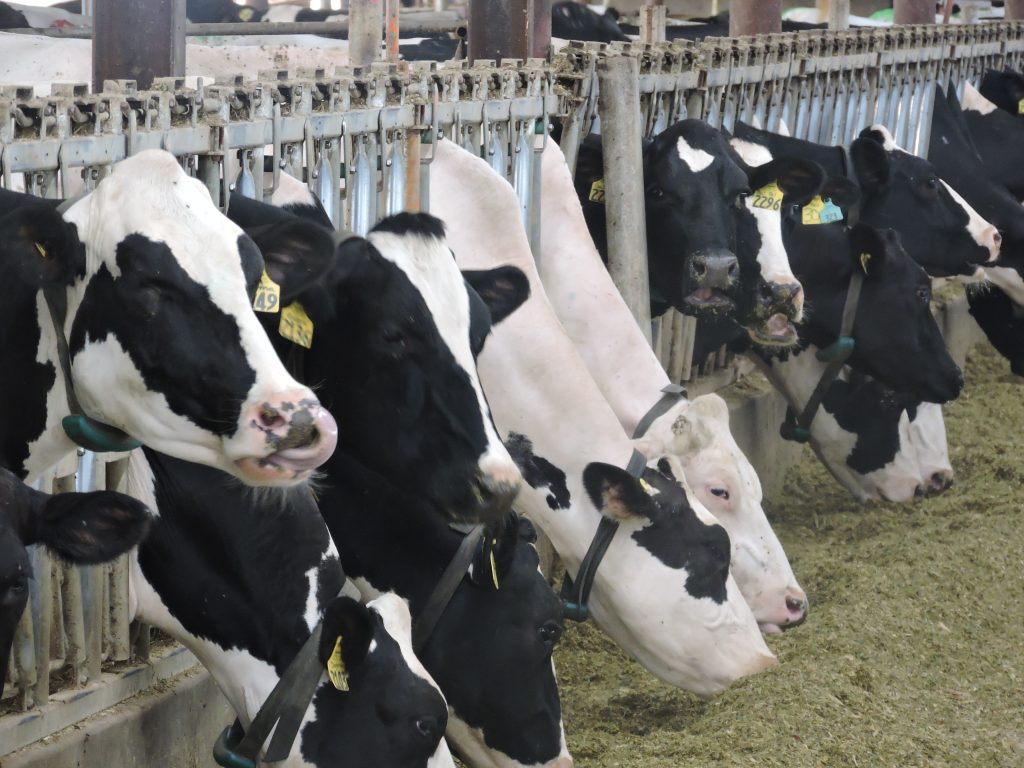
Energy is a major component in all livestock diets and feeds that primarily supply energy in diets can be subdivided into three categories based on how the energy is supplied by the feed. Sugar, starch, and fat/oil are the main sources of energy in these feeds. Sugar is not a major source of energy in most livestock feeds, but can be very important in dairy diets as a way to maximize rumen microbial function and optimize milk component production.
Feeds that fit in this category typically come from the human food industry and can include pure sugar that may not meet human-grade specifications, molasses from the refining of sugar, candy waste, or whey from cheese production. These feeds may have value above just their energy content. Some of these feeds may be available in a liquid form and have value as a ration conditioner, providing a better TMR moisture content and reducing the animal’s ability to sort the feed.
Starch is the most common energy source in most livestock diets. Feeds that are major suppliers of starch are grains and some grain processing products such as hominy and wheat midds, and food processing products such as bakery waste and cookie meal. This is a category of feeds that can find unusual ingredients that may only be available locally due to food processing in a specific area and may include pre- and post-consumer food waste. These feedstuffs are generally evaluated based on the economic value of the energy they supply.
The final category of energy feeds are fats and oils. These feeds only supply energy and are products of either oilseed processing (vegetable oil, flax oil, cottonseed oil, etc), renewable energy production (corn oil from ethanol production), or animal processing (choice white grease and tallow). These feedstuffs have an economic value based on their energy content. However, they may also have additional value due to their concentration of energy (since fats and oils have 2.5 times the energy per pound compared to sugar and starch), which allows the diet to have a higher overall energy density.
Protein is the most expensive of the three major nutrients to supply in livestock diets. Feeds that primarily supply protein to diets can be further divided into categories based on protein degradability in the rumen (high rumen degradability and low rumen degradability). The largest portion of protein feeds come from the oilseed processing industry and are high in crude protein (>35%) and rumen degradability (>50%) unless treated in some way to reduce rumen degradability. These feeds include soybean meal, canola meal, and cottonseed meal, and are the major source of protein in livestock diets. Most alternative protein feeds are compared to these oilseed meals. Other sources of high rumen degradable protein include urea (source of soluble nitrogen) and corn gluten feed.
Feedstuffs that supply protein that is low in rumen degradability (high bypass protein) usually have higher economic value than the high degradable protein sources and are used less frequently. Sources of low rumen degradable protein are oilseed meals that have been treated in some way such as expeller processing or heat treating, or animal processing products such as blood meal, meat and bone meal, and fish meal. Additional value may be placed on the animal protein products due to a more desirable amino acid content.
Fiber is generally the least expensive nutrient to supply (per pound) and it can mostly be supplied by forages. However, there are alternative feeds that are primarily used to supply fiber to the diet. These feedstuffs can further be divided based on whether they are supplying fiber to replace forage or supplying fiber to limit starch in a diet. The forage substitutes are used to stretch forage supplies or replace some low-quality forage in a diet. These feedstuffs will provide some stimulation to cud chewing. Some common feedstuffs in this category are whole cottonseed, cottonseed hulls, gin trash, and almond hulls. Wet brewer’s grains are also sometimes used to stretch haylage supplies. High-fiber feeds that are fed to limit starch in diets are typically higher in energy and may not support greater cud chewing. These feeds include soy hulls, beet pulp, citrus pulp, and wheat midds.
Economic Value is the last area that should be considered in evaluating an alternative feedstuff. If the feedstuff is not supplying a nutrient that you need to purchase, then the price does not really matter because you will be spending money you don’t need to spend. If the feed is supplying a nutrient that you need to purchase, then you should compare the value of the nutrient from this feedstuff compared to another source of that nutrient. Since energy and protein are usually the largest needs for purchased nutrients, a comparison to the cost of these nutrients from the alternative feed can be compared to the cost of these nutrients from some standard feedstuffs in your area.
At Agri-King we have developed a simple spreadsheet-based economic replacement value (ERV) calculator that can be used to give a rough estimate of the economic value of an alternative feed compared to a standard energy feed and protein feed in any given area. All that is needed is the percent dry matter, percent crude protein, and the energy value of the alternative feed, plus the standard energy and protein feeds and the current cost of the standard feeds. There are ERV calculators for both beef and dairy since both use different energy values.
Agri-King assists our clients in evaluating alternative feedstuffs for potential use in their nutrition programs. Contact your local nutrition consultant or our team of nutritionists to help evaluate any alternative feedstuffs you may have, including getting a nutrient analysis of the feedstuffs through our on-site feed testing laboratory. AK