By Dr. Dave Jones, Ph.D., P.A.S., & Mat Faulkner, Ph.D.
A recent Agri-King Advantage article (Schauff, May 2025) covered the effects of inflammation and oxidative stress on dairy cows. That article described potential damage to the host caused by inflammation and oxidative stress. Schauff also touched on the reactive oxygen species (ROS) involved and the vitamins, trace minerals, and enzymes that help protect the body from the ROS. As a follow-up to this article, we will explain how vitamins E and C, as well as the trace minerals copper (Cu), zinc (Zn), manganese (Mn), and selenium (Se), help to manage ROS and their effects within the host animal.
Stress conditions, caused by nutrition, management, and the environment, lead to complications for cattle. Some areas of concern include:
The effects of stress can go beyond the adult animal and affect several generations: Cow, daughter (fetus in utero), and the granddaughter (caused by effects on the daughter while in utero). For example, heat stress can influence prenatal and postnatal genetic programming on stress tolerance. A calf born to a heat-stressed cow is less able to absorb IgG due to more rapid gut closure. Because the effects of stress can go years beyond the cow, we see today that it is necessary to understand oxidative stress and how the body manages it. Dealing with stress responses at the source rather than managing the symptoms is important.
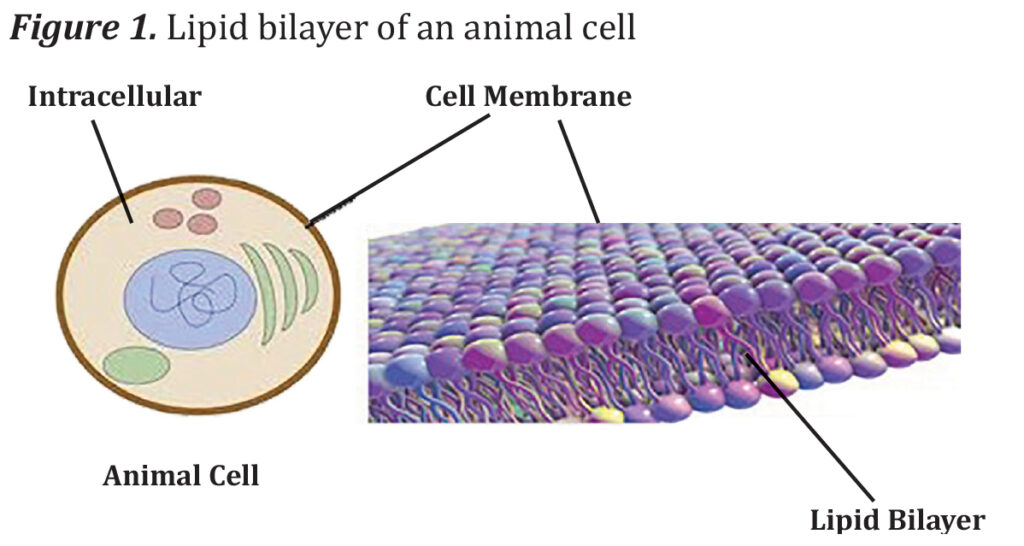
ROS are part of the body’s response to stress and help protect against invading pathogens by destroying their cellular structure. However, the ROS produced can also damage the host’s tissues by oxidizing fatty acids in the lipid bilayer of cell membranes (Figure 1). This causes cell damage, which creates problems for the animal. The two main ROS are superoxide anion and hydrogen peroxide.
Antioxidant nutrients, such as those found in Agri-King’s Bovine Replete and other vitamin/trace mineral products, help reduce the effects of stress in the adult animal, which will subsequently assist future generations. In order to understand how these vitamins and trace minerals help manage stress, we must first consider the enzymes the body uses to control the effects of ROS on the host. These enzymes react with ROS, leading to the formation of water, a much safer molecule for the body. Some reactions will produce hydrogen peroxide, which needs to be managed further to produce water. Therefore, it takes multiple enzymes and other antioxidants to keep the body’s cells safe from ROS. The two main enzymes include:

As listed earlier, several trace minerals and a couple of vitamins are required to directly manage ROS or work with SOD and GSHPx to help these enzymes perform their function. What do these trace minerals and vitamins do?
Zinc (Zn)
Copper (Cu)
Manganese (Mn)
Selenium (Se)
Vitamin E
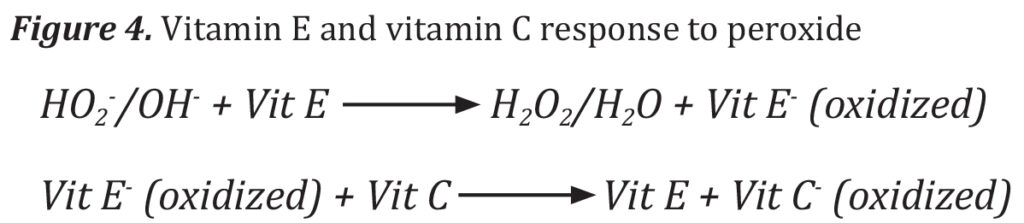
Vitamin C
Supplying daily requirements of vitamins and minerals is key to properly supporting the cow’s immune system. Agri-King products such as VT-Max®, Tri-Max®, LDH Fortifier, and Beef Multi-Factors will accomplish this goal. When excessive stress, like summer heat stress, affects cattle, additional antioxidant vitamins and trace minerals will be warranted. Agri-King’s Bovine Replete and Super Micro® are products that supply the extra fortification needed under stressful situations. AK
References:
Arthur, J. R. and R. Boyne. 1985. Superoxide dismutase and glutathione peroxidase activities in neutrophils from selenium-deficient and copper deficient cattle. Life Sci. 36:1569-1575.
Bouwstra, R. J., R. M. A. Goselink, P. Dobbelaar, M. Nielen, J. R. Newbold, and T. van Werven. 2008. The relationship between oxidative damage and Vitamin E concentration in blood, milk, and liver tissue from Vitamin E supplemented and nonsupplemented periparturient heifers. J. Dairy Sci. 91:5696-5706.
Faulkner, M. J. 2016. Effects of trace mineral supplementation in lactating dairy cattle. Ph.D. Dissertation.
Jones, D. F. 1999. Effects of dietary fish oil and vitamin E on milk yield and composition and plasma neutrophil function. Ph.D. Dissertation.
Mora, J. R., M. Iwata, and U. H. von Andrian. 2008. Vitamin effects on the immune system: Vitamins A and D take centre stage. Nat. Rev. Immunol. 8:685-698.
Nockels, C. F. 1996. Antioxidants improve cattle immunity following stress. Anim. Feed Sci. Tech. 62:59-68.
Politis, I., N. Hidiroglou, F. Cheli, and A. Baldi. 2001. Effects of Vitamin E on urokinase-plasminogen activator receptor expression by bovine neutrophils. Am. J. Vet. Res. 62:1934-1938.
Schauff, D. 2025. Inflammation, oxidative stress, and dairy cattle performance. The Agri-King Advantage. May 2025.