
Newsletter
Please fill out the form below to sign up for our newsletter.

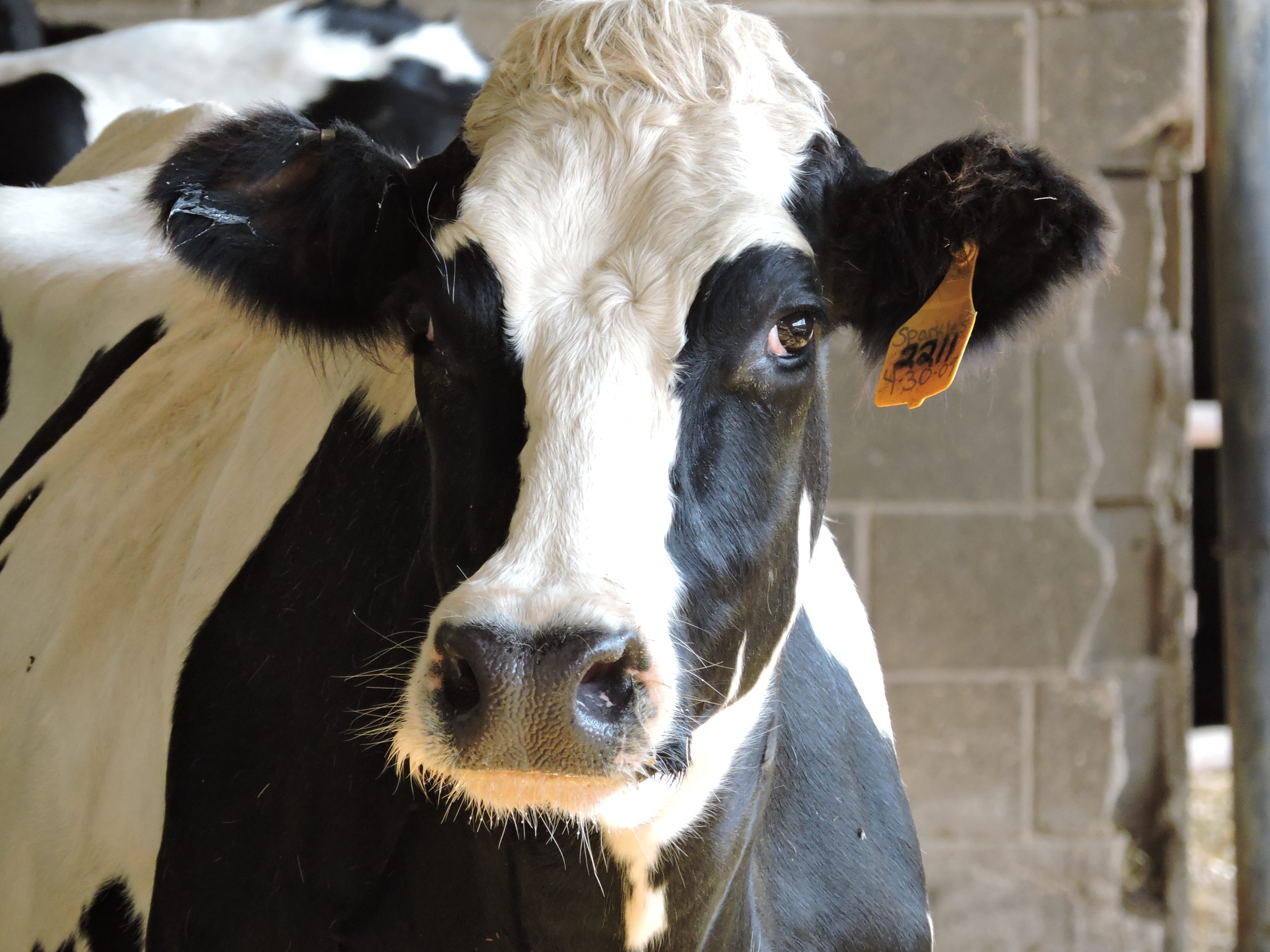
By Dr. Dan Schauff, Ph.D., P.A.S. Practical and research observations have long shown a healthy calf is more likely to become a healthy, productive dairy cow. Most also recognize that a successful colostrum feeding/management program is essential and foundational to support a calf’s health, future growth, and milk production. There is growing evidence, however, that […]
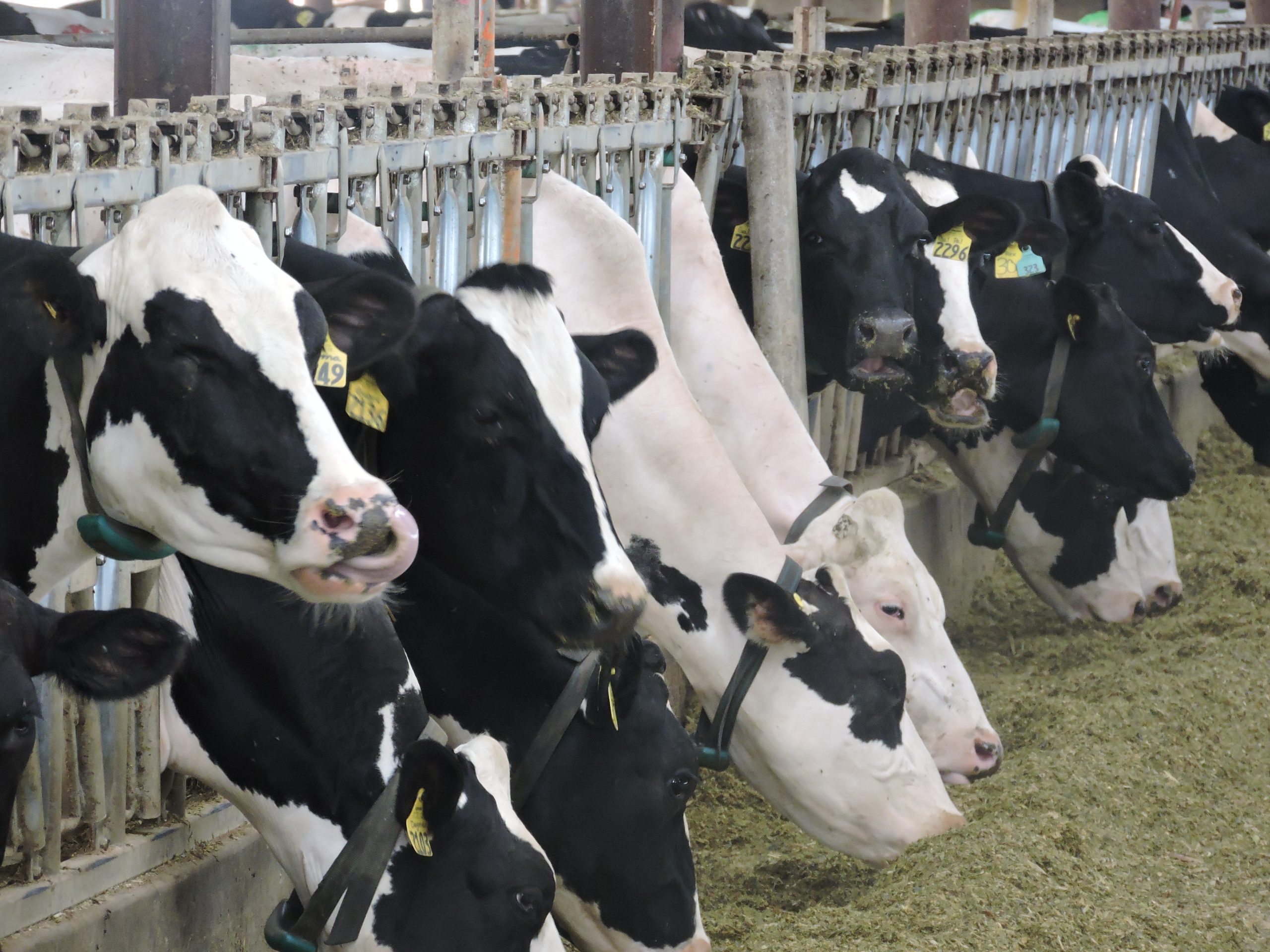
By Dr. Louisa E. Koch, Ph.D., P.A.S. Cereal grains represent a major source of energy for the high-producing dairy cow and can greatly impact feed efficiency. Transforming every pound of nutrients into saleable product is the cornerstone of achieving optimal feed efficiency. In most dairy production systems, corn is the predominant cereal grain. The largest […]
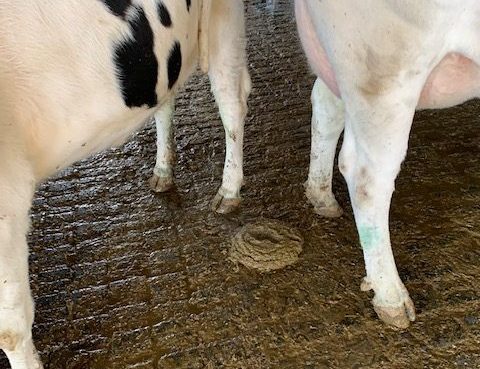
By Grace Thomas, M.Agr.Sc. P.A.S. Consistency is the key when it comes to all things dairy. This is also relevant when it comes to cow manure. The cow manure evaluation is one of the best indicators of cow performance and any changes to it can be due to reduced rumen function and/or feed digestion. You […]
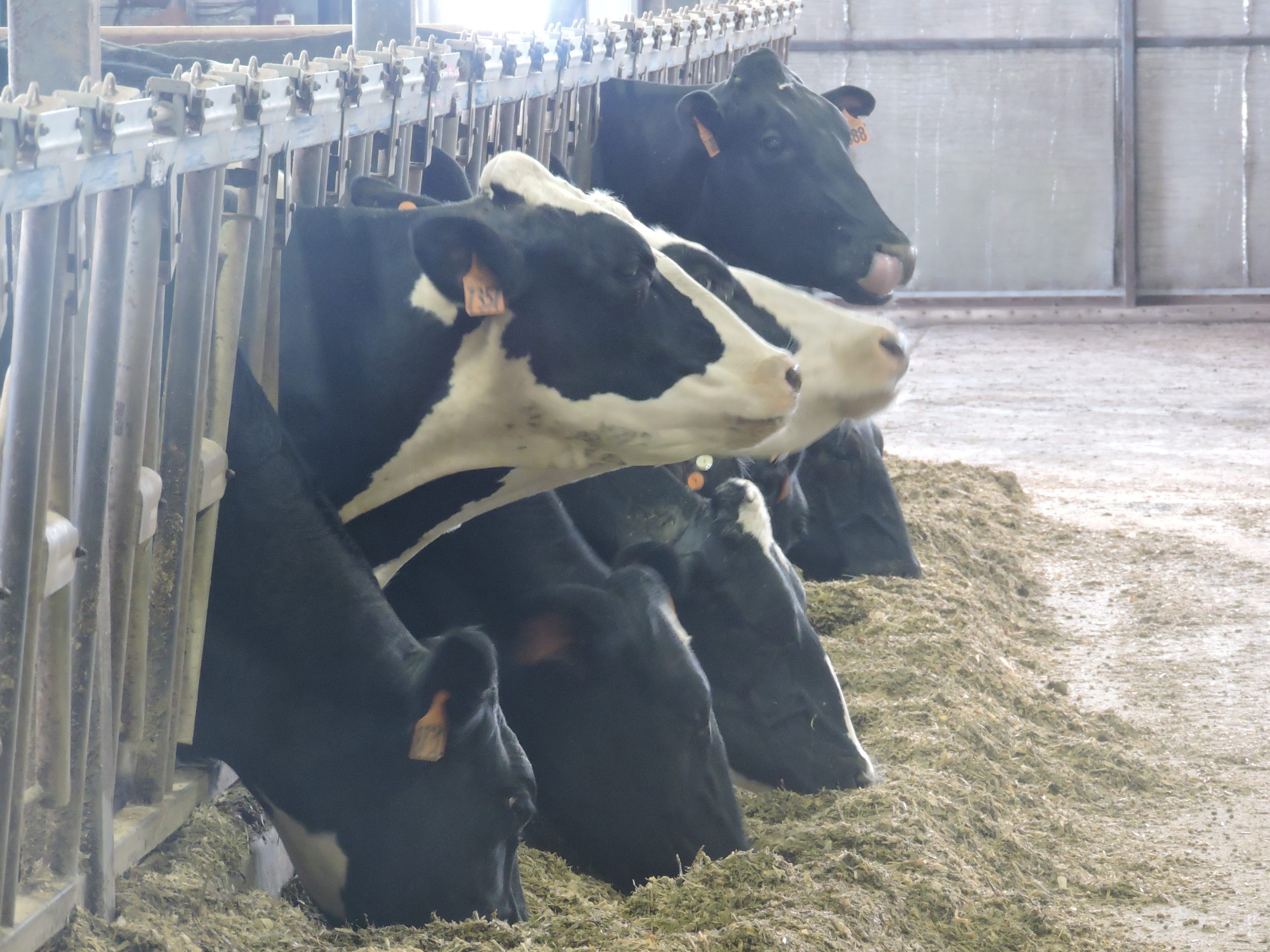
By Dr. James C. Coomer, Ph.D., P.A.S. The word mycotoxin appears to have been first used in a publication by Forgacs and Carll (1955) where they are describing diseases of animals caused by toxins produced by fungi (microbial toxins = mycotoxin). The word usually refers to a structurally diverse family of naturally occurring, fungal-elaborated toxins. […]
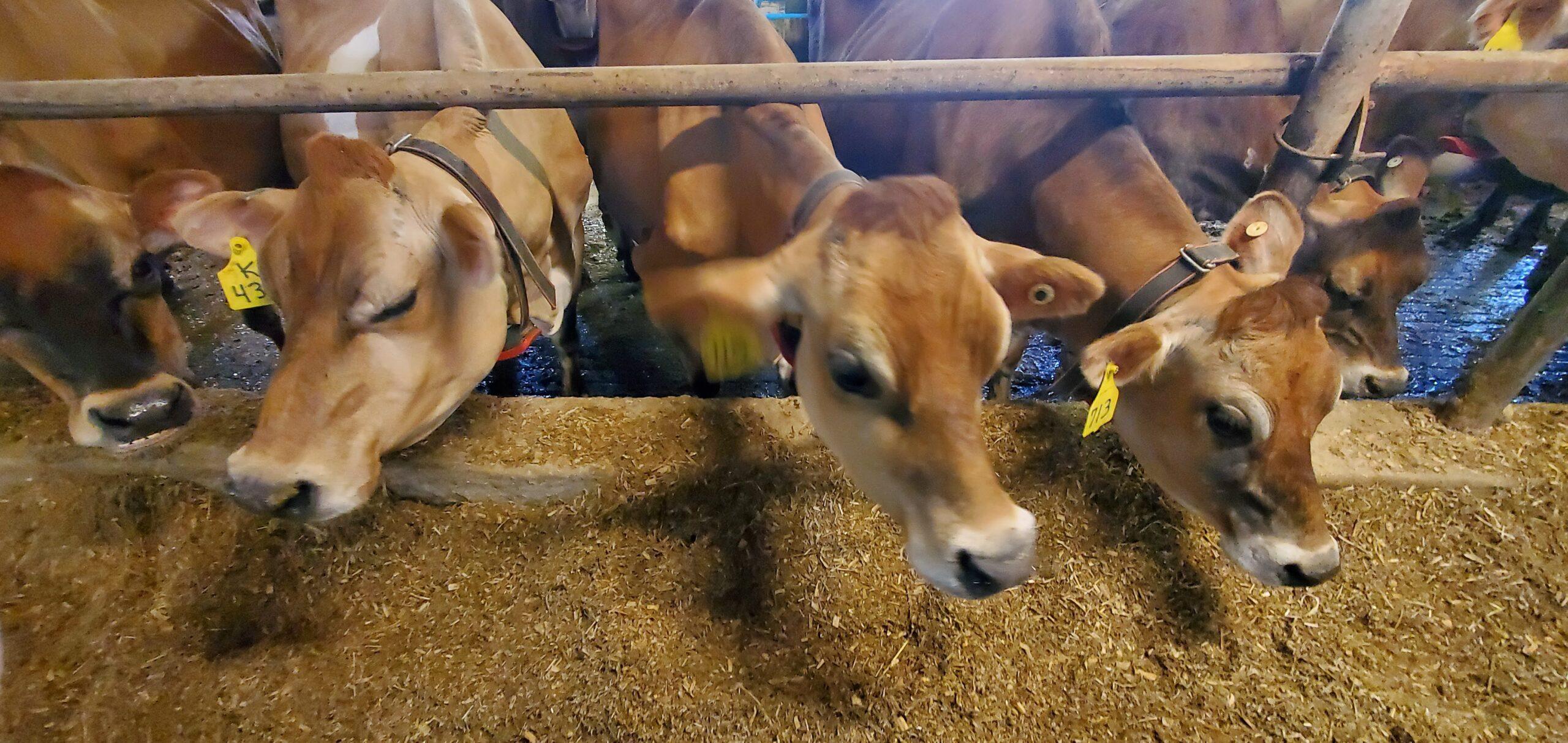
By Dr. Gene P. Gengelbach, Ph.D., P.A.S. Fall is the time of year many people associate with colorful foliage and football. For the livestock producer, this is the time of year they must evaluate their forages and devise a feeding strategy for the upcoming winter months. Many parts of the country experienced drought conditions for […]
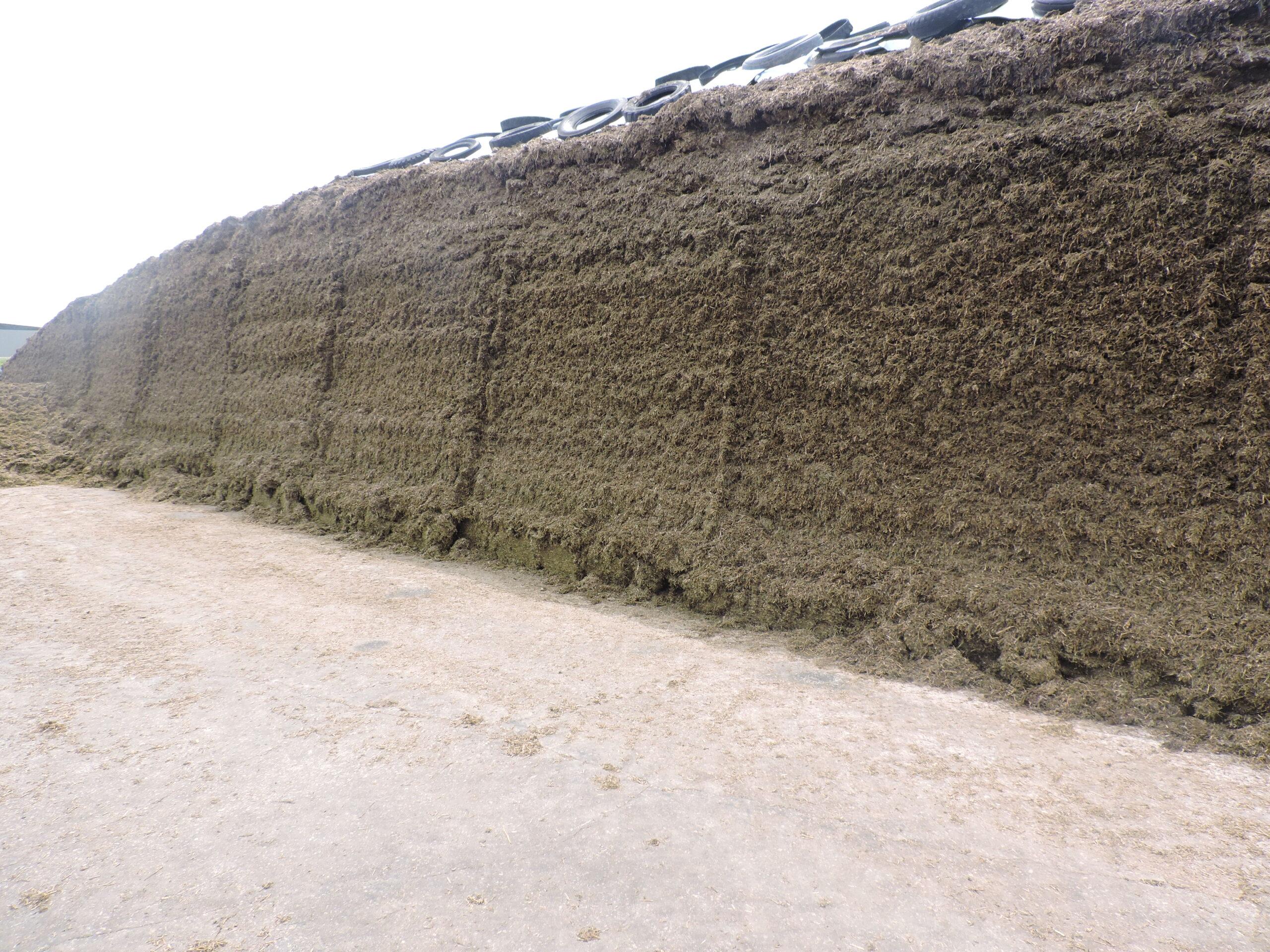
By Lucas A. Krueger Why does dry matter loss matter? With summer forage harvests behind us and fall crop silage in full focus, evaluating dry matter loss from harvested forages is never more important. From a practical standpoint, dry matter loss equates to wasted fuel consumption; seed, fertilizer, herbicide, and pesticide use; and acreage. Dry […]
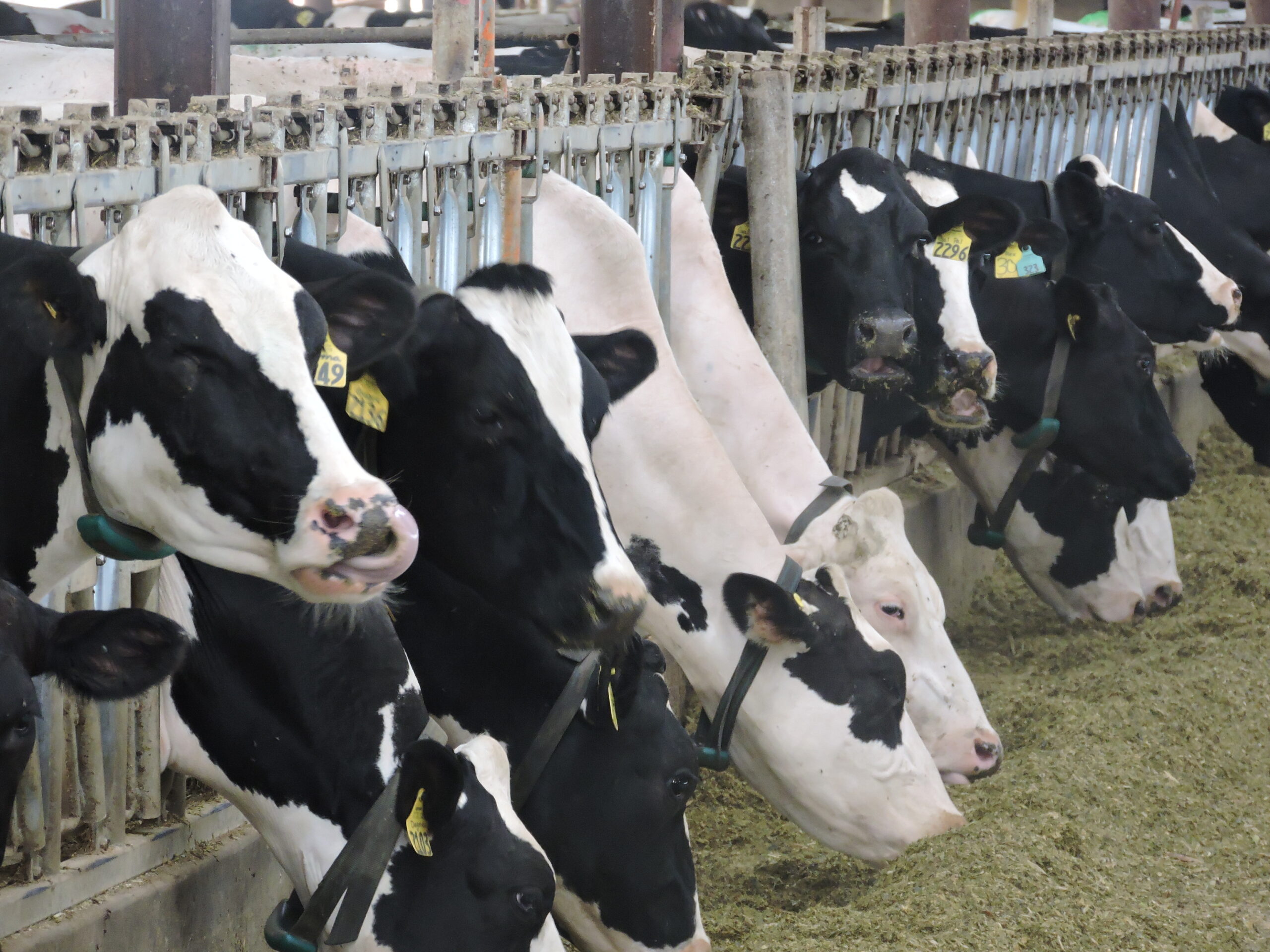
By Dr. David Jones, Ph.D., P.A.S. Along with amino acids and peptides, ammonia is part of the soluble protein (or ‘A’ fraction) of routine protein analysis. It is generated by the deamination (removal of nitrogen-containing amino groups) of proteins, which reduces the overall quality of the protein. Ammonia is a source of nitrogen for rumen […]
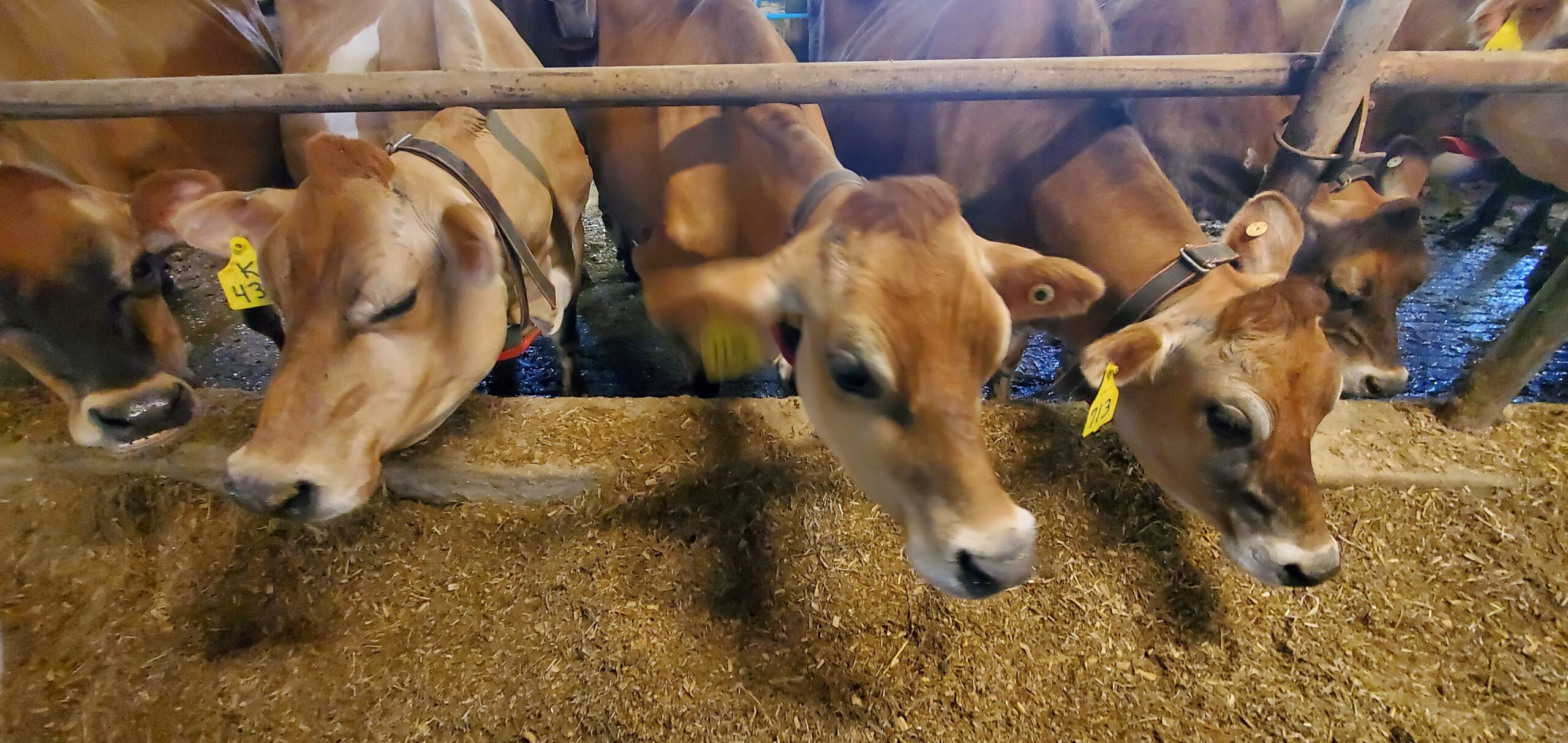
By Dr. Dan Schauff, Ph.D., P.A.S.; Dave Spangler; and Lucas Krueger The cost of milk production has increased dramatically in the past year due to various factors such as money supply in excess of economic expansion, higher energy costs, supply chain disruptions, and uncertainty in world wheat/grain markets due to the war in Ukraine. On […]
By Dr. Louisa E. Koch, Ph.D., P.A.S. You have likely heard a thing or two about the fat-soluble vitamins A, D, and E. Did you know, however, that the water-soluble B-vitamins play essential roles in the cow, as well? The B-vitamins are a group of water-soluble vitamins that have key roles as enzymatic cofactors or […]
By: Grace Thomas, M.Agr.Sc. P.A.S. In order to understand the importance of milk urea nitrogen, we first need to understand how it is formed. When the cow consumes protein, it is broken down in the rumen by the rumen microbes to ammonia. This ammonia is then converted to microbial protein by the rumen microbes. The […]
Please fill out the form below to sign up for our newsletter.